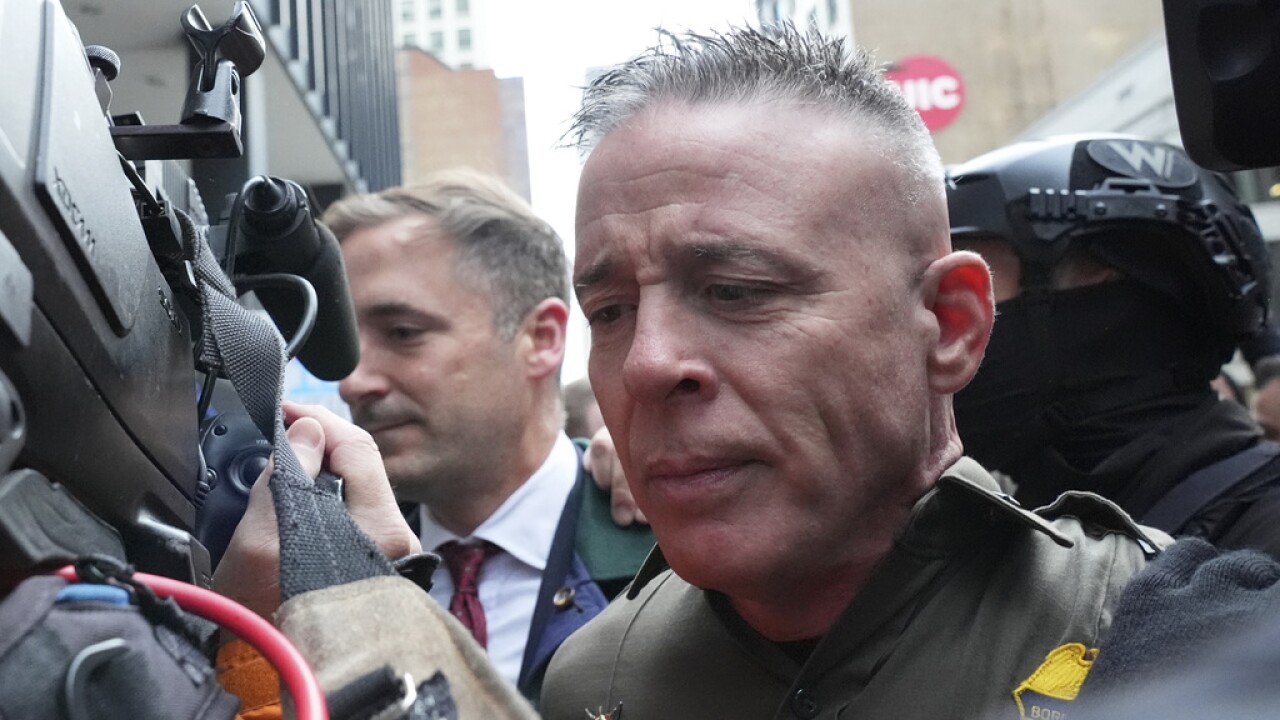
NGOCSTIP – Gregory Bovino found himself at the center of intense scrutiny after a federal judge ordered him to report daily to court. The U.S. Border Patrol chief, known for leading Operation Midway Blitz, has faced mounting criticism for his aggressive immigration enforcement in Chicago. Reports describe his agents using tear gas on protesters and civilians, sparking outrage from human rights groups. During a tense hearing at the Dirksen Federal Courthouse, Judge Sara Ellis demanded transparency and accountability in all enforcement actions. She emphasized that agents must respect citizens’ rights, including protesters and journalists. The order for Bovino to appear before her each weekday symbolizes a rare instance of direct judicial oversight on federal enforcement activities. This move reflects the growing national concern about how immigration laws are being applied in large urban areas. The courtroom atmosphere was charged, underscoring the tension between security and civil liberties.
During the hearing, Judge Ellis pressed Gregory Bovino for clarity on reports that his agents used excessive force. Several incidents described the deployment of tear gas near residential neighborhoods, even during Halloween celebrations. Witnesses claimed that children were affected, a detail that deeply concerned the court. Ellis demanded that Bovino ensure all agents wear visible identification and use body cameras during operations. Bovino agreed and confirmed he would personally wear one going forward. The judge’s focus remained on preventing further harm and maintaining lawful conduct during enforcement. She made it clear that dissent and protest are part of democracy, and people cannot be punished for voicing opposition. The questioning highlighted a broader debate about how far federal agencies can go in pursuing immigration control within U.S. cities. Bovino’s actions now serve as a test case for balancing authority and accountability under judicial watch.
The courtroom scene vividly captured the gravity of federal oversight in action. Meanwhile, Judge Ellis introduced a daily reporting requirement that marked a significant step in judicial involvement with immigration operations. The move arose from reports describing unrestrained enforcement and misuse of riot control tactics. Furthermore, government lawyers defended Bovino’s decisions and cited volatile conditions on the ground to justify their actions. However, Ellis emphasized that constitutional rights must always come first. Her reminder urging agents to leave journalists free to do their jobs resonated strongly within the press community. Consequently, Bovino reaffirmed that his agents follow federal law, but Ellis responded with firm references to earlier court orders. Ultimately, the government’s legal team left the courthouse under mounting pressure to establish stronger accountability measures. This episode demonstrates how local courts now shape the actions of federal agencies in civilian areas while promoting transparency and respect for human rights.
Outside the courthouse, protesters waved banners demanding an end to what they called ICE brutality. Gregory Bovino’s name quickly became a trending topic as activists accused him of overstepping legal boundaries. Supporters of stronger border enforcement defended him as a decisive leader protecting national security. The divide mirrors the broader political polarization surrounding immigration policy in the United States. President Trump’s recent remarks about sending additional forces to cities like Chicago have only intensified the debate. Observers say Bovino’s daily check-ins could set a precedent for how future enforcement leaders are held accountable. Political analysts believe that both the administration and the courts are testing the limits of federal authority. Chicago’s experience now serves as a focal point for understanding the consequences of aggressive immigration tactics in densely populated regions. The nation watches closely as this legal drama unfolds.
Judge Ellis’s ruling did more than impose a reporting schedule; it established a framework for continued monitoring of federal enforcement. She ordered Gregory Bovino to provide use-of-force reports and camera footage from all recent operations. Her insistence on real-time updates reflects growing judicial concern about unchecked power among federal agencies. Bovino pledged cooperation and promised improved compliance protocols for his teams. The court’s involvement underscores how legal systems are adapting to manage evolving law enforcement challenges. Ellis’s message was clear: lawful operations require visible accountability and respect for human rights. As the Chicago hearings continue, Bovino faces the difficult task of restoring public trust while maintaining operational effectiveness. The decision reinforces the idea that even top officials must answer to the judiciary when constitutional standards are at stake. The case continues to reshape discussions around transparency, ethics, and power in modern immigration enforcement.
This article is sourced from politico and for more details you can read at ngocstip
Writer: Sarah Azhari
Editor: Anisa
NGOCSTIP - Tantangan demokrasi dan keterbatasan sumber daya memaksa lembaga swadaya masyarakat untuk bertransformasi secara drastis. Tidak lagi sekadar demonstrasi…
NGOCSTIP - Data Komnas Perempuan mencatat sebanyak 299.511 kasus kekerasan seksual terjadi selama periode 2015 hingga 2023 di Indonesia. Angka…
NGOCSTIP - Laporan Edelman Trust Barometer 2023 menunjukkan anomali menarik di tengah krisis kepercayaan global terhadap institusi formal. Kepercayaan terhadap…
NGOCSTIP - Laporan terbaru Freedom House menunjukkan skor kebebasan politik Indonesia stagnan di angka 59 selama tiga tahun berturut-turut, sebuah…
NGOCSTIP - Sekitar 67% organisasi masyarakat sipil di Indonesia mengaku belum memiliki strategi digitalisasi yang matang, sebuah angka yang mencerminkan…
NGOCSTIP - Data terbaru dari Organisasi Buruh Internasional (ILO) pada tahun 2023 menunjukkan bahwa lebih dari 50 juta orang berada…