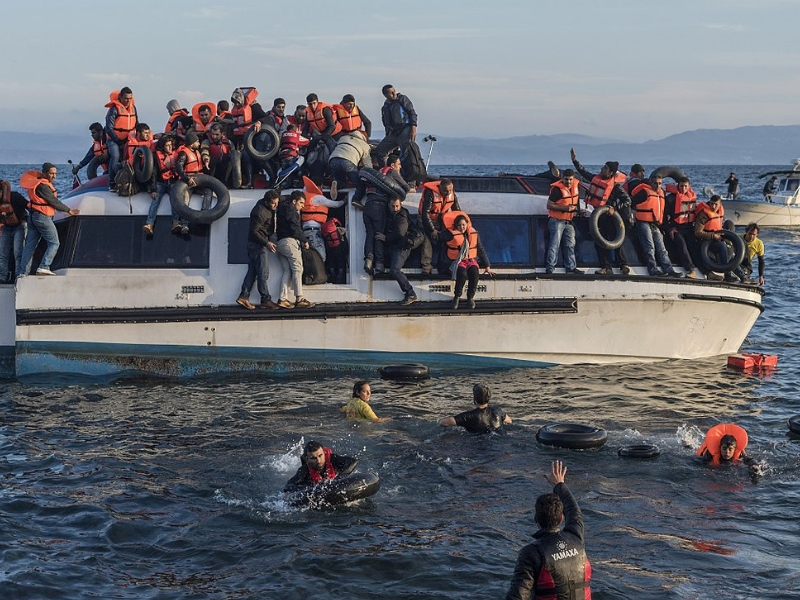
NGOCSTIP – Irregular Migration and Migrant Smuggling are pressing global issues that affect millions of people across borders every year. While migration itself is often driven by hope and the search for a better life, irregular migration and smuggling involve complexities that pose significant risks to migrants. A recent publication by the United Nations Office on Drugs and Crime (UNODC), titled “Countering Trafficking in Persons and Migrant Smuggling in Mixed Migration Movements”, provides a detailed look into how these crimes unfold and recommends solutions to address their global impact.
According to the International Organization for Migration (IOM), the number of international migrants globally reached approximately 281 million in 2020, representing 3.6% of the world’s population. This number has tripled compared to the figures from 1970. We categorize migration into two types: regular and irregular.
Regular migration refers to the lawful movement of individuals across borders, adhering to the rules and regulations of the destination country. For example, people migrate for education, family reunification, or employment opportunities.
On the other hand, irregular migration occurs outside these legal frameworks. This includes individuals entering or residing in a country without proper documentation or authorization. Poverty, conflict, persecution, or natural disasters often drive irregular migration. By the end of 2023, UNHCR reported that over 117 million people globally had faced forced displacement, including refugees, asylum seekers, and internally displaced persons.
“Read about: Four Arrested in Arkansas Human Trafficking Operation, According to Attorney General”
Migrant smuggling involves individuals or groups facilitating the unauthorized entry of migrants into another country for financial gain or material benefit. Organized groups target migrants’ desperation and lack of access to regular migration routes through highly organized illegal activities.
Smugglers provide services such as false documentation, transportation, and assistance in crossing international borders unlawfully. The activity is recognized as a crime under international law through the UN Migrant Smuggling Protocol.
UNODC estimates that at least 2.5 million people were smuggled globally in 2016 alone. These smuggling routes often mirror major migration flows from developing nations to larger economies, such as the United States, Germany, and Saudi Arabia.
Irregular migration and migrant smuggling are often confused but are fundamentally distinct phenomena. Irregular migration refers to the migrants’ actions – entering or residing in a country without authorization. Migrant smuggling, on the other hand, involves those who facilitate illegal entry for profit.
Smugglers exploit migrants’ vulnerability by arranging transportation, providing counterfeit passports or visas, and guiding them across borders without proper authorization. While irregular migration can occur without external assistance, migrant smuggling is a profit-driven business, preying on individuals who lack legal means to migrate.
Samantha Munodawafa, Legal Officer at UNODC, highlights that the demand for migrant smuggling arises from limited legal migration channels, combined with factors such as poverty, war, and obstacles to freedom of movement.
“Read more: A New Crisis for Children: Global Conflicts and Rising Inequality Take a Toll”
Irregular migrants, especially those who are smuggled, often find themselves in precarious situations. Without legal status, they face exploitation, abuse, and violence during their journey and upon arrival. Smuggled migrants may experience extortion, beatings, rape, or detention. In extreme cases, their journeys result in death.
Additionally, migrants may lack essential resources such as travel documents or language skills, making them more vulnerable to smugglers and other criminal networks. These vulnerabilities underscore the urgent need for coordinated international action to combat migrant smuggling.
Restricting legal migration routes often pushes people into the hands of smugglers. As Samantha Munodawafa emphasizes, “Restricting regular migration routes does not stop migration; it pushes people into the shadows.”
The United Nations, through the Global Compact for Migration, promotes safe, orderly, and regular migration. This framework includes practical actions to combat migrant smuggling and human trafficking while addressing the root causes of irregular migration.
The latest UNODC publication outlines key recommendations for addressing these issues, including mobilizing resources, fostering international collaboration, and strengthening legal frameworks. It also emphasizes the importance of protecting vulnerable groups, such as children, and addressing migration challenges posed by climate change.
By promoting safer migration pathways and addressing the drivers of irregular migration, countries can reduce reliance on smugglers and enhance the safety and dignity of migrants worldwide.
NGOCSTIP - Organisasi sipil mempercepat pemulihan korban bencana lewat program dukungan mental dan ekonomi, menurut data Badan Nasional Penanggulangan Bencana…
NGOCSTIP - Data Kemenkumham 2023 mencatat lebih dari 412.000 organisasi masyarakat sipil terdaftar di Indonesia. Namun, realitas lapangan menunjukkan kurang…
NGOCSTIP - Tantangan demokrasi dan keterbatasan sumber daya memaksa lembaga swadaya masyarakat untuk bertransformasi secara drastis. Tidak lagi sekadar demonstrasi…
NGOCSTIP - Data Komnas Perempuan mencatat sebanyak 299.511 kasus kekerasan seksual terjadi selama periode 2015 hingga 2023 di Indonesia. Angka…
NGOCSTIP - Laporan Edelman Trust Barometer 2023 menunjukkan anomali menarik di tengah krisis kepercayaan global terhadap institusi formal. Kepercayaan terhadap…
NGOCSTIP - Laporan terbaru Freedom House menunjukkan skor kebebasan politik Indonesia stagnan di angka 59 selama tiga tahun berturut-turut, sebuah…